
Buying a CNC Folder for Roofing Applications.
Most roofing shops don't start out looking for a folder. They start on a hand brake, graduate to a press brake, and eventually hit a wall, and that's when a folder starts making sense.
A CNC folder changes how your shop operates. It turns two-person bending jobs into one-person operations, handles pre-painted and polished material without distortion, and runs through trim, flashing, and panel profiles at a pace that manual bending can't touch.
But there's a lot to evaluate before committing. Machine type, material capacity, back gauge configuration, software, floor footprint, and whether to buy new or used — each of these decisions affects what you get out of the machine for years to come.
NOT SURE WHAT'S RIGHT FOR YOUR SHOP?
Get Expert Guidance First
Every operation is different. Empire's folder specialists can walk you through your production volume, material requirements, and shop layout — so you land on the right choice with confidence.
Do I Need a Press Brake or a Folder?
In the early stages of metal-forming, most shops start with a hand brake. As production grows, the question becomes whether to step up to a press brake or move to a folder.
Both machines use the same basic bending method. Hand brakes rely on manual input; folders use CNC technology for bending and back gauging. Transitioning from a hand brake to a folder is generally straightforward — more so than switching to a press brake.
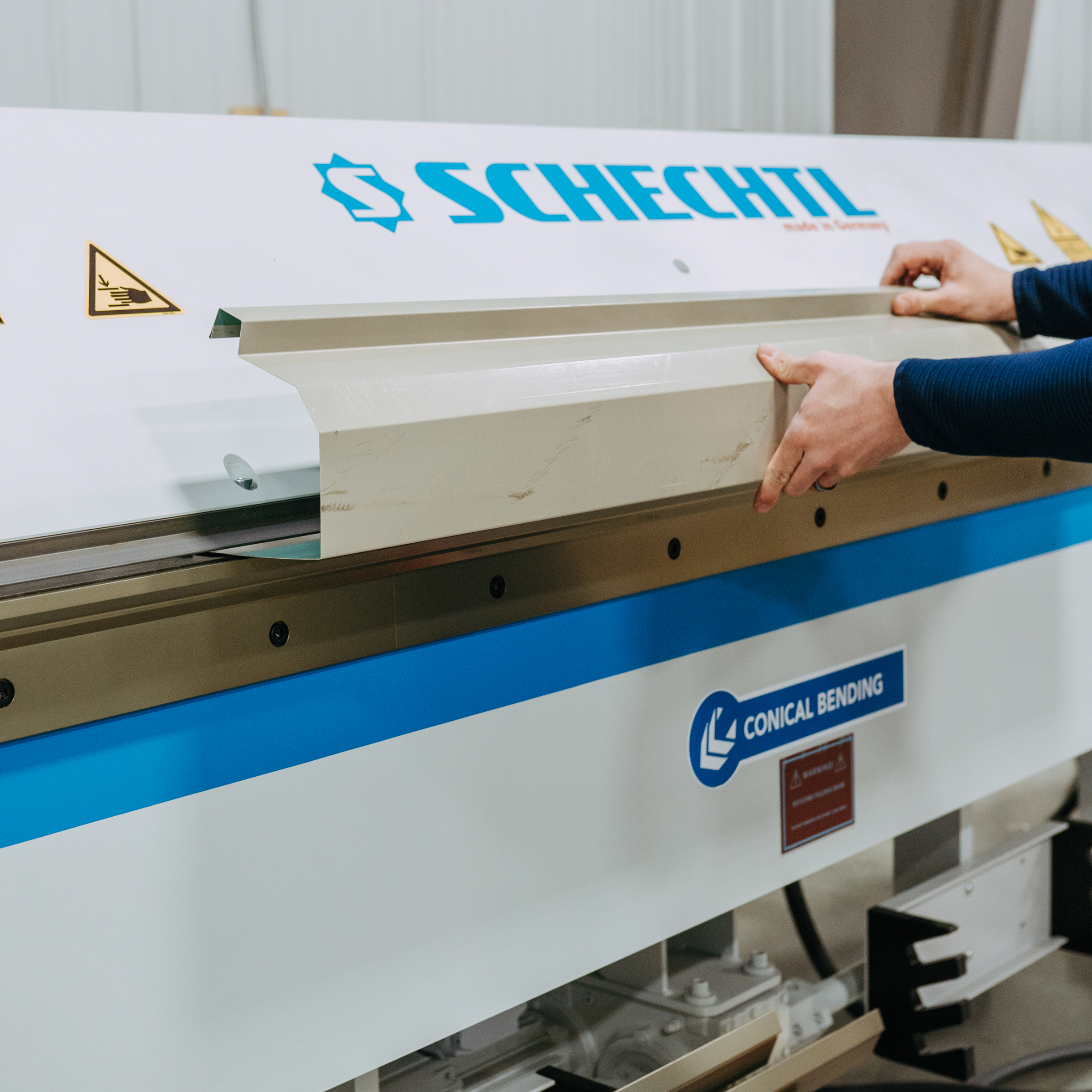
If your shop primarily bends sheet metal for roofing applications, a folder is the right tool. Although everything a CNC folder can do is also possible on a press brake, a folder makes the process much simpler for specific applications: panels, boxes or pans, and flashing. By keeping material on the back gauge table, folders handle polished, coated, painted, or other sensitive materials without distortion. Press brakes can be more versatile overall, but for roofing work, the folder is the more practical choice.
For more on press brakes, see our Press Brake Buyer's Guide.
Quick Self-assessment
A CNC folder is likely the right investment if:
- Your shop mainly works with sheet metal for roofing applications
- You need to bend polished, coated, or painted materials without surface damage
- A two-person press brake operation is creating a labour bottleneck
- You need to form a variety of angles and thicknesses without changing tooling
- You're looking to grow into roof panels, trim and flashing profiles, electrical enclosures, or more commercial work
- You're ready to invest in CNC technology for precision, repeatability, and long-term cost savings
Complimentary Equipment
When investing in a folder, there is complimentary equipment that helps maintain your workflow and keeps your operation running efficiently.
Shear
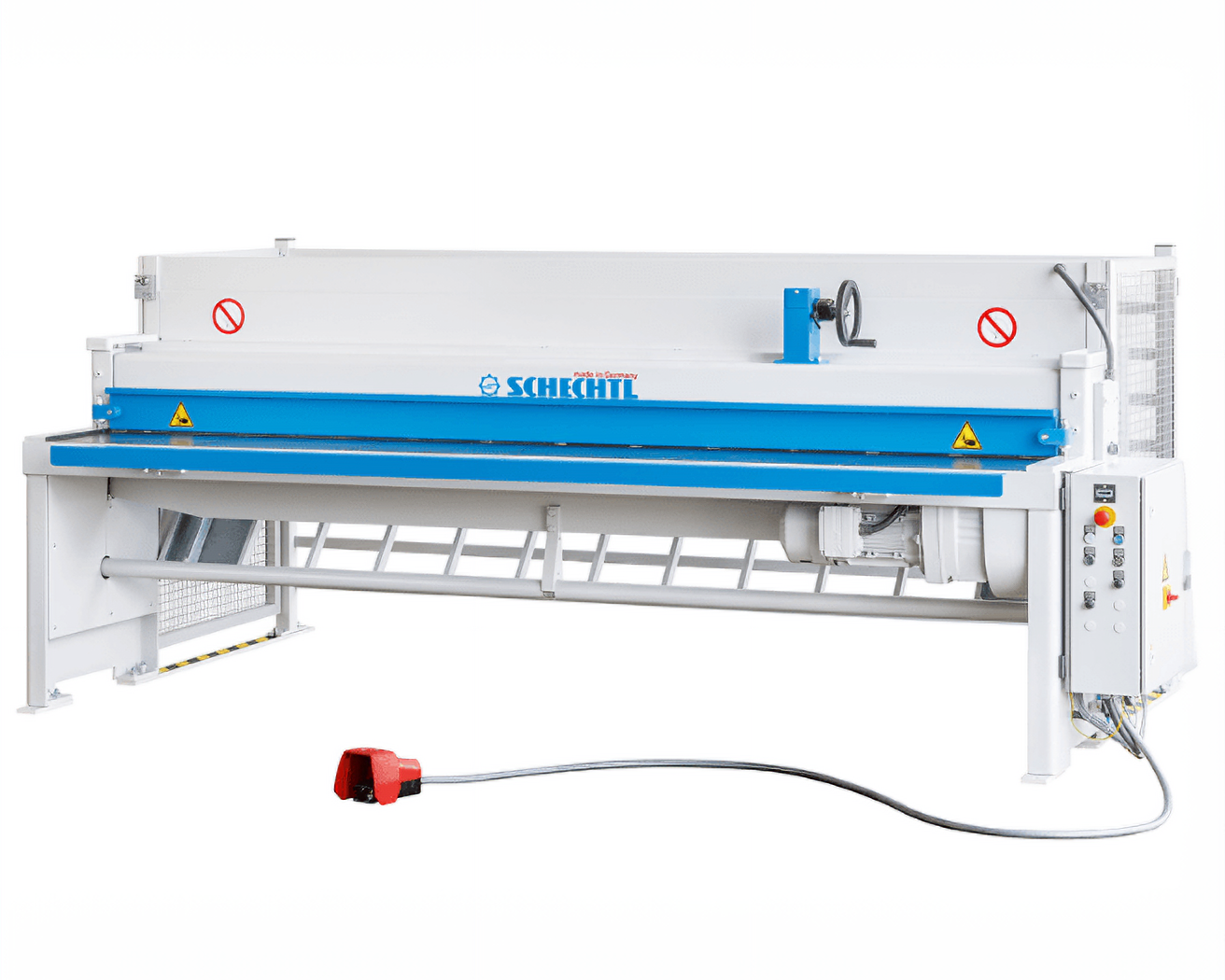
A quality shear is important — and a lot of shops buy a folder and a shear together. Material needs to be cut to the specific width based on the profile being formed on the folder, so accurate shearing is a prerequisite to accurate folding.
Coil Line with Slitting
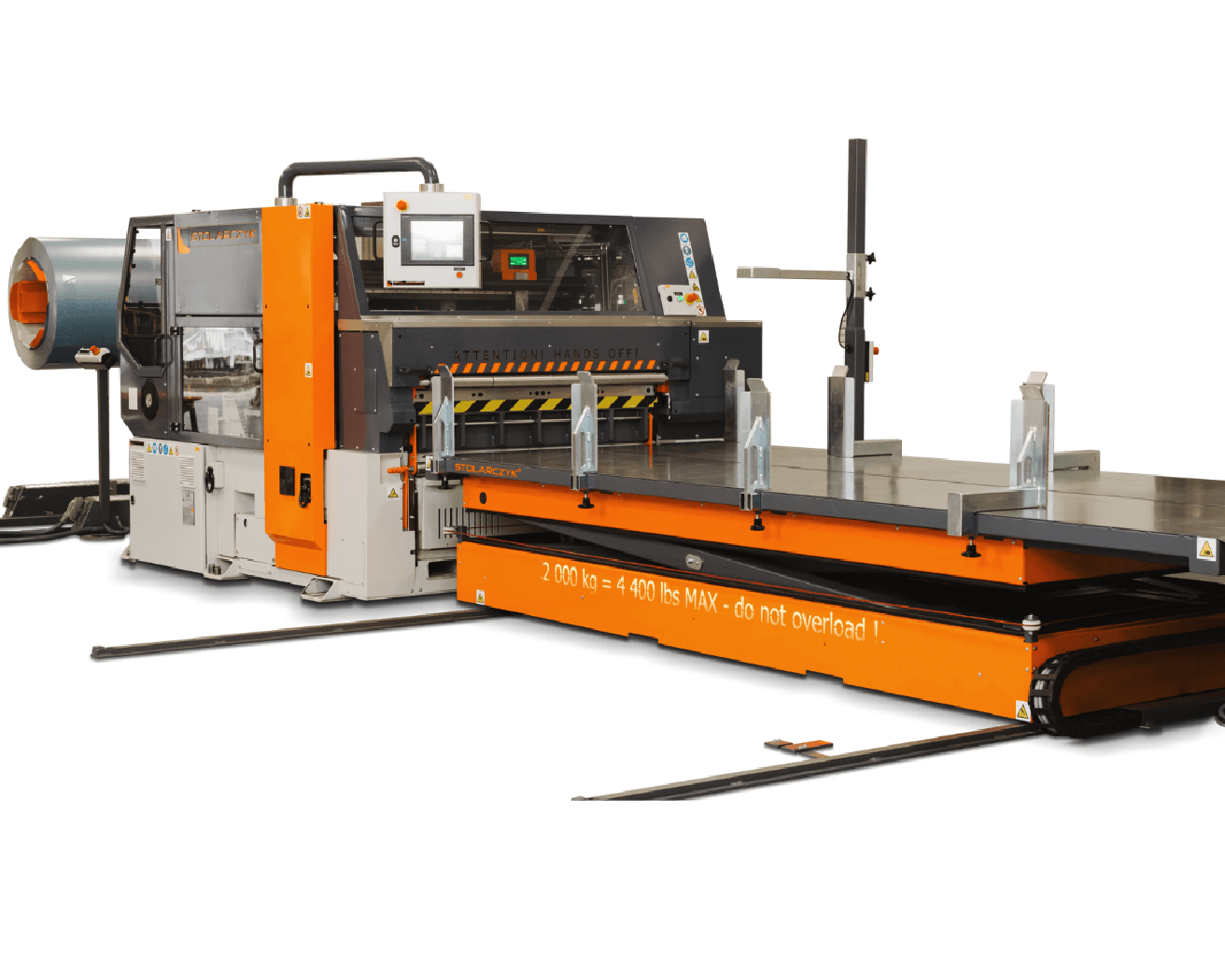
Coil lines with slitting systems cut-to-length and slit-to-width in a single process. This lets a shop slit blank widths accurately and shear material to specific lengths all in one pass — reducing scrap material and handling time for shops processing significant sheet metal volume.
Frequently Asked Questions
There are three main categories: manual sheet metal folders, hydraulic metal folders, and CNC (computer-controlled) folders.
Manual folders are lower cost but require more skill and are more time-consuming. Common types include box and pan brakes (finger brakes), straight brakes, bench brakes, and combination brakes.
Hydraulic folders use hydraulic systems to generate bending force, with increased power and efficiency compared to manual. Many feature automated material handling and back gauging. Common types include CNC hydraulic, NC hydraulic, and manual hydraulic folders.
CNC folders use computer software to control bending sequences, angles, back gauging, and more. They integrate with CAD/CAM systems, and optional offline programming software keeps the machine running on the floor instead of being tied up programming new parts. For growing roofing businesses, we most often recommend CNC. The higher upfront investment pays back in precision, efficiency, and long-term cost savings. Common types include standard CNC folders, Kombi Beam folders, and up/down folders.
Folders work with steel, aluminum, stainless steel, galvanized steel, copper, and brass. The most commonly used material is pre-painted mild steel. For roofing applications, pre-painted steel (mild steel with a coating) is typical.
Most folders handle up to 10-gauge mild steel. Some heavy-duty models handle up to 1/4" or 1/2" mild steel. Material tensile strength affects springback; most CNC controls include a material library with pre-defined springback values that can be adjusted to ensure accurate forming.
Three questions to start with: What material types and thicknesses do you mainly process? Which sheet lengths do you primarily need to form? And how many process steps do you want to automate?
The folder's bending length determines the maximum sheet width you can bend. Unlike a press brake, throat depth isn't a consideration — if the folder is 10', you can form a full 10' part and use the full back gauge travel for that part.
For roofing shops: don't size for folding capacity alone. Hemming capacity is often the more relevant spec. Material length, thickness, and tooling geometry all factor into the force needed to bend your parts — tooling geometry in particular can make a meaningful difference to folding flexibility.
The controller is the most important part of the machine. The right software reduces downtime, reduces errors, increases output, and lets you respond faster to customers. Most manufacturers offer proprietary control software designed to get the most out of their folder.
Capabilities to look for include CAD/CAM integration, automatic bending sequence generation — import designs directly and translate them into machine instructions, multi-axis back gauge control, and an automatic tool changer (ATC).
Post-Sale Service
Post-sale service is one of the most important factors in a press brake purchase. Machine quality today is generally high, but when something does go wrong, downtime is expensive — it takes directly from your productivity and profits. The difference between a responsive vendor and a slow one can mean the difference between hitting a deadline and missing it. When talking to any vendor, ask:
- Can the vendor provide remote internet connectivity to the machine for support? How quickly can they access and diagnose an issue?
- How fast can replacement parts be sourced and delivered?
- Can a technician reach your shop in a reasonable timeframe, or support you virtually when needed?
- For pre-owned machines: are parts and software support still available for the controls?
Empire has operated a complete in-house service department since 1987, with experienced, factory-trained technicians available for Canada-wide on-site service.
Ready to Find the Right Folder for Your Shop?
Choosing a folder is a significant investment. The right machine depends on your material requirements, production volume, floor space, and where your shop is headed — not just where it is today
Empire has been helping Canadian and U.S. shops find the right sheet metal equipment since 1987. We accept trade-ins, sell on consignment, and back used equipment with a 30-day guarantee. Whether you're comparing machine types, weighing new versus used, or just starting to map out what makes sense for your operation, our specialists can walk through your specific situation.
Browse Empire's CNC folders, download the full Buyer's Guide PDF, or contact one of our Product Specialists directly.
The Complete Resource
Download the Full Folders Buyer's Guide PDF
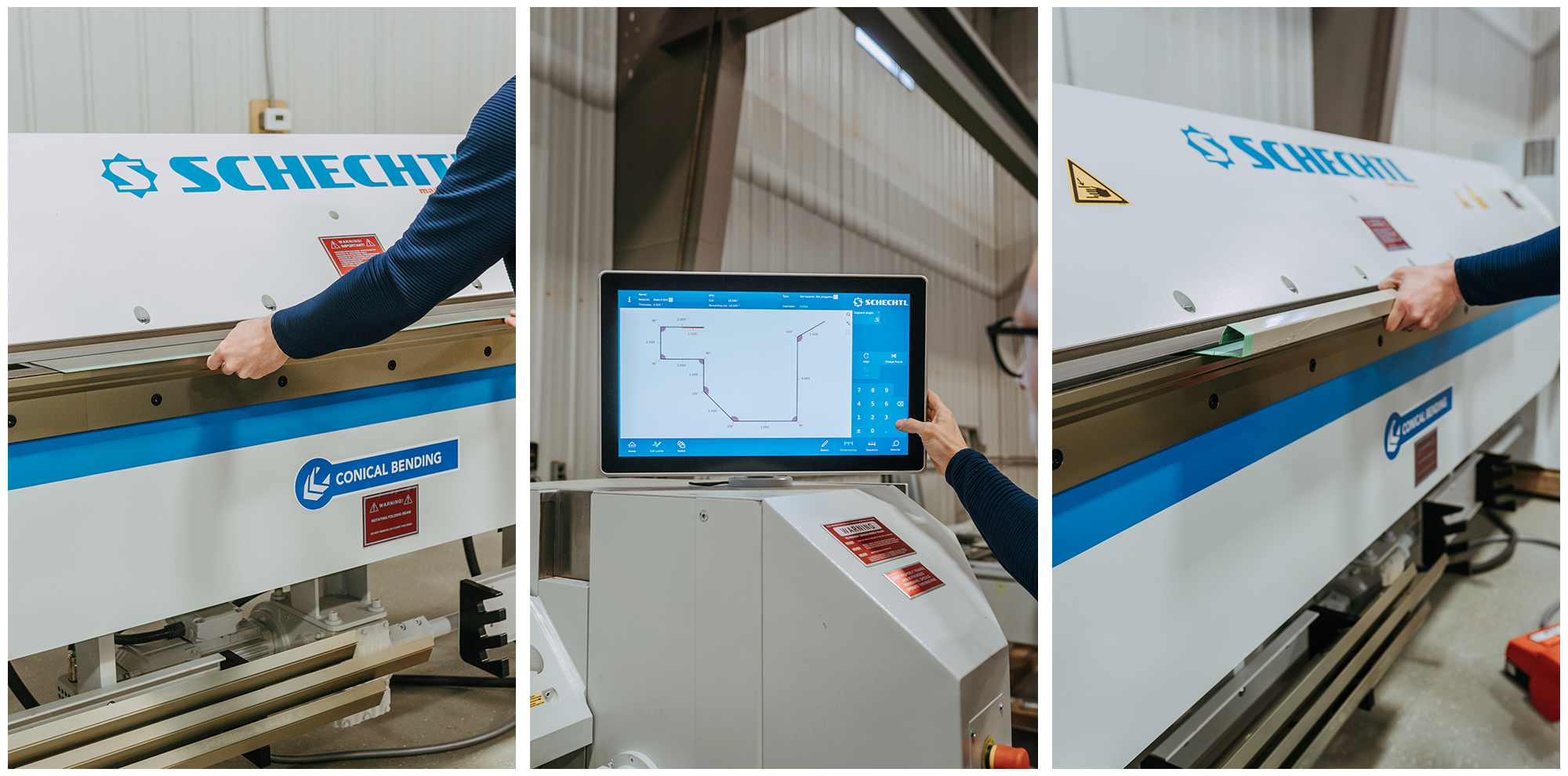
Download the full Folders Buyer's Guide for the complete deep-dive — more technical detail, equipment diagrams, and 30+ years of industry expertise from Empire's specialists.